How I Designed the Nomad Utility Vest Sewing Pattern
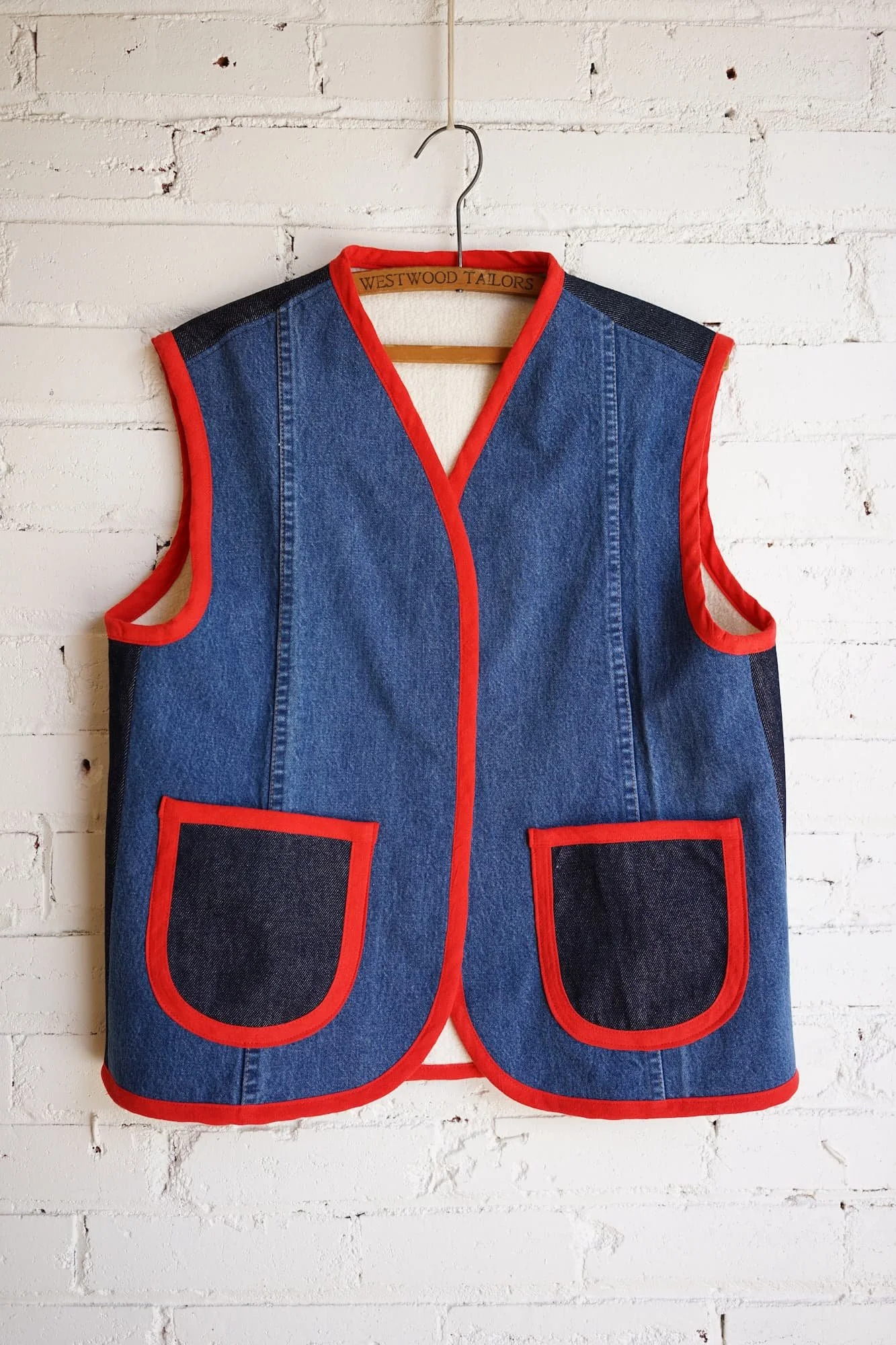
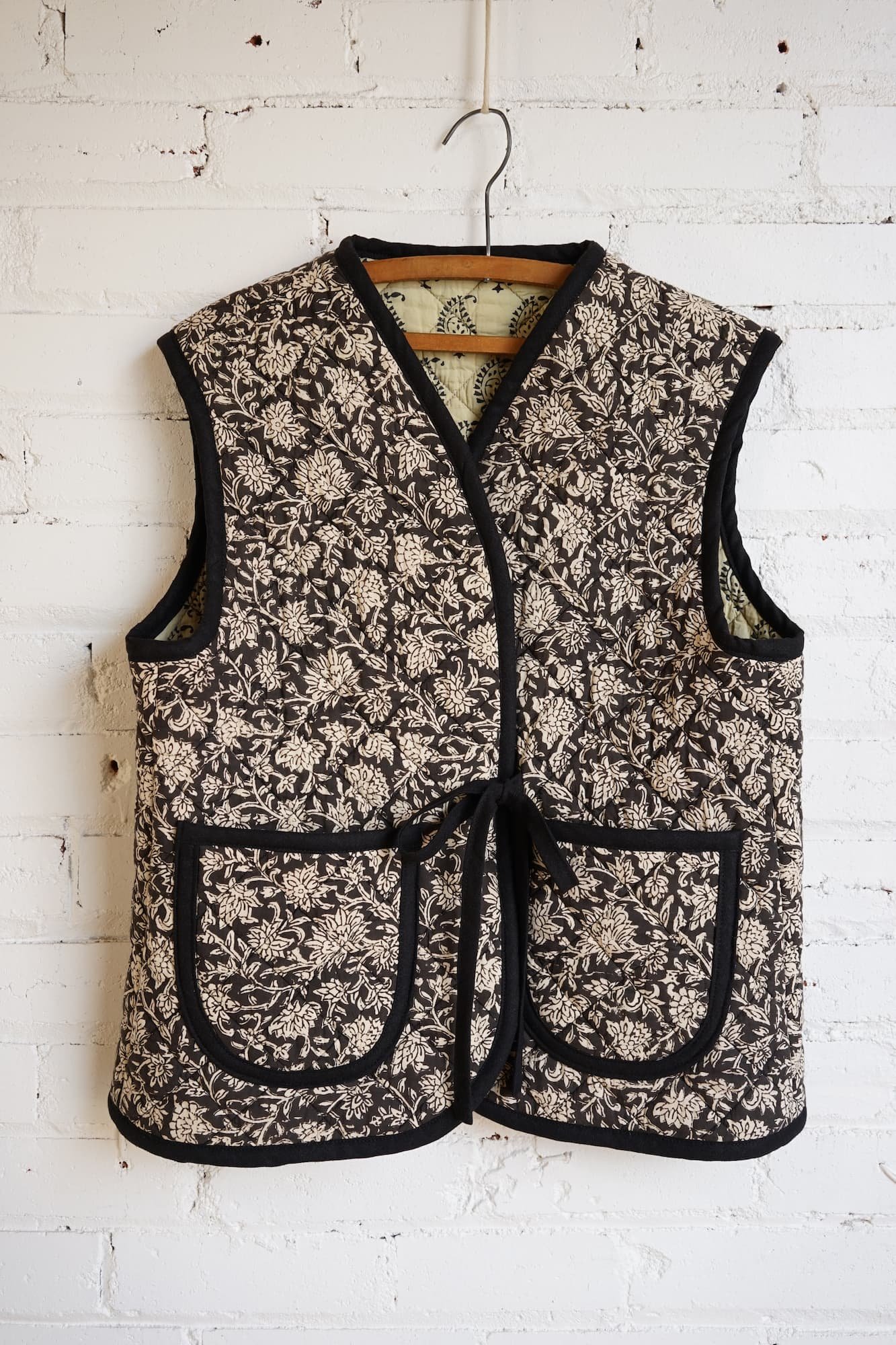
When it comes to designing clothing, I'm pragmatic. If a garment isn't comfortable, can't be worn with many outfits and in different ways, and won't last both in style and construction, I don't want to spend the inevitably absurd amount of time and effort it takes to bring it from idea to finished product.
When I designed sweaters for small labels in New York, the supply chain alone, even at a small scale, was enough to make me wonder how any piece of clothing gets made. It takes a unique combination of circumstances, people who believe in the product at every step, and luck. It really does take an alignment of the stars (and extremely competent hands) for a garment to make it all the way to the person who wears it. I know that sounds dramatic, but ask anyone who works in apparel design, production, marketing, or sales.
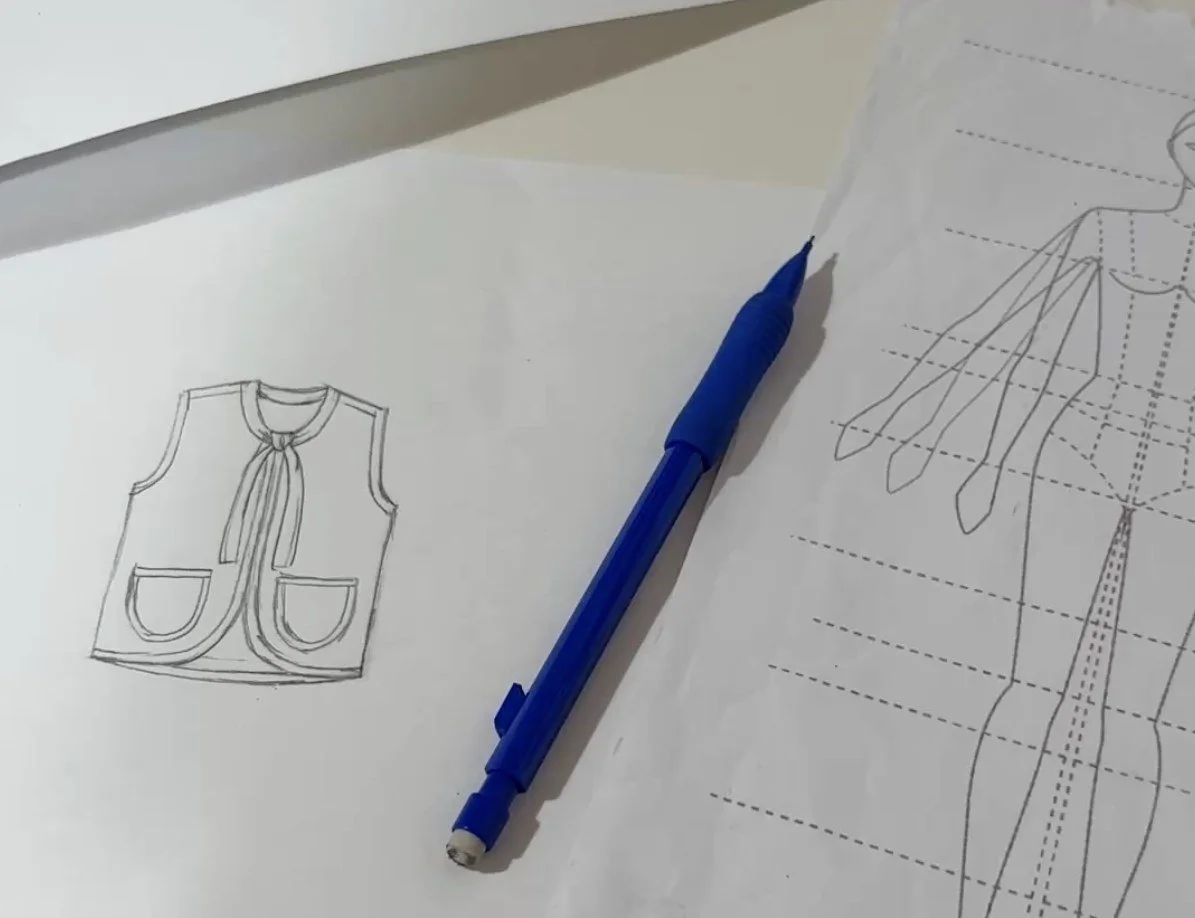
An early sketch of the Nomad Utility Vest. The tie started at the neckline before moving to the waist.
All that to say, a vest made sense as my first digitized and fully graded pattern. It checked the boxes for me to embark on its de, and a vest naturally has built-in flexibility in sizing, closures, and fabric, all things I consider when designing for home sewists.
The early part of my design process looked much like my work for small brands: sketches, mood boards, prototypes, revisions, and samples. I'm comfortable with this stage because I can do all of it myself, and I've been doing it so long that it has become second nature. My favorite part is fine-tuning that sample, fitting it exactly how I want it.
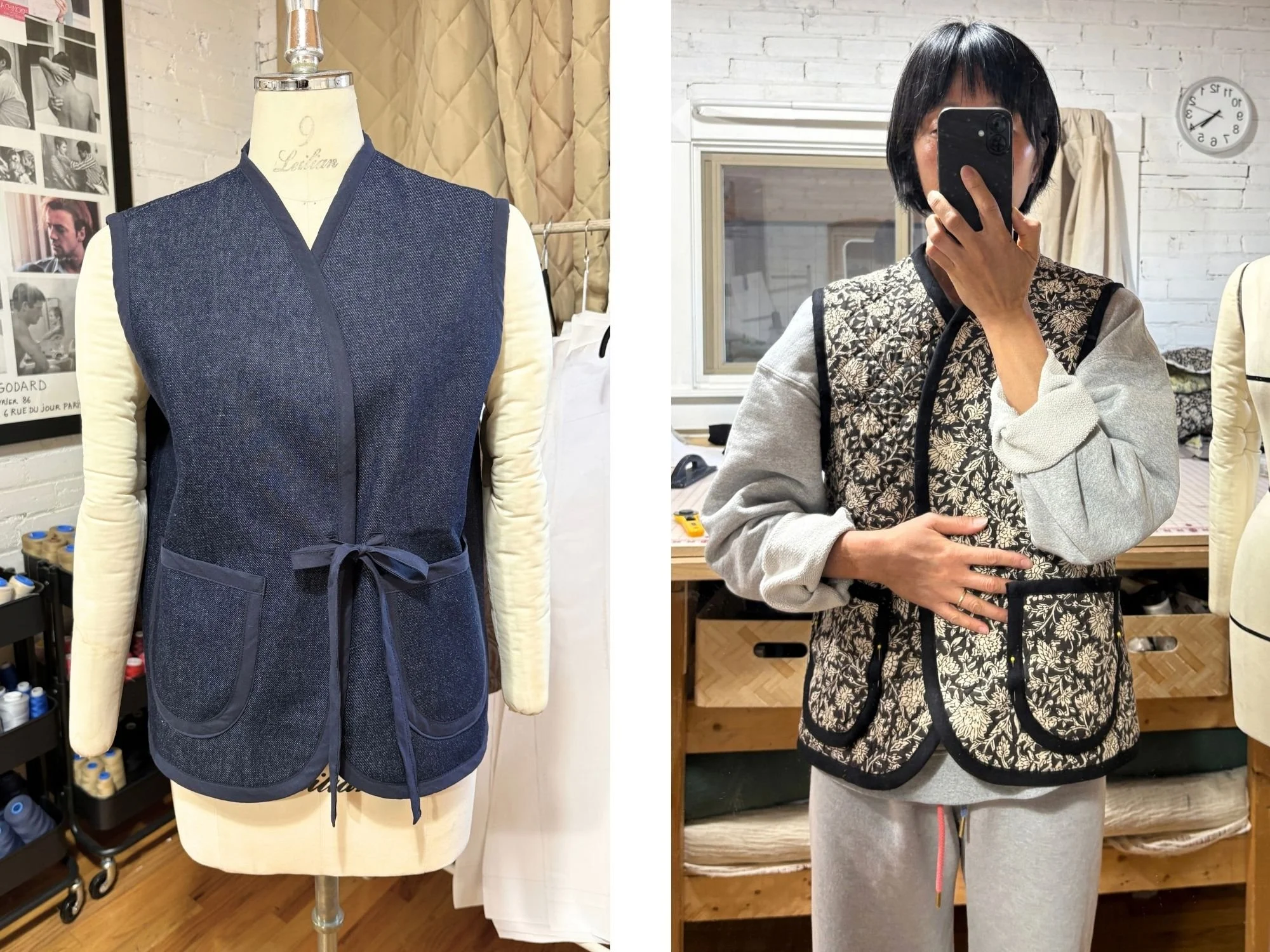
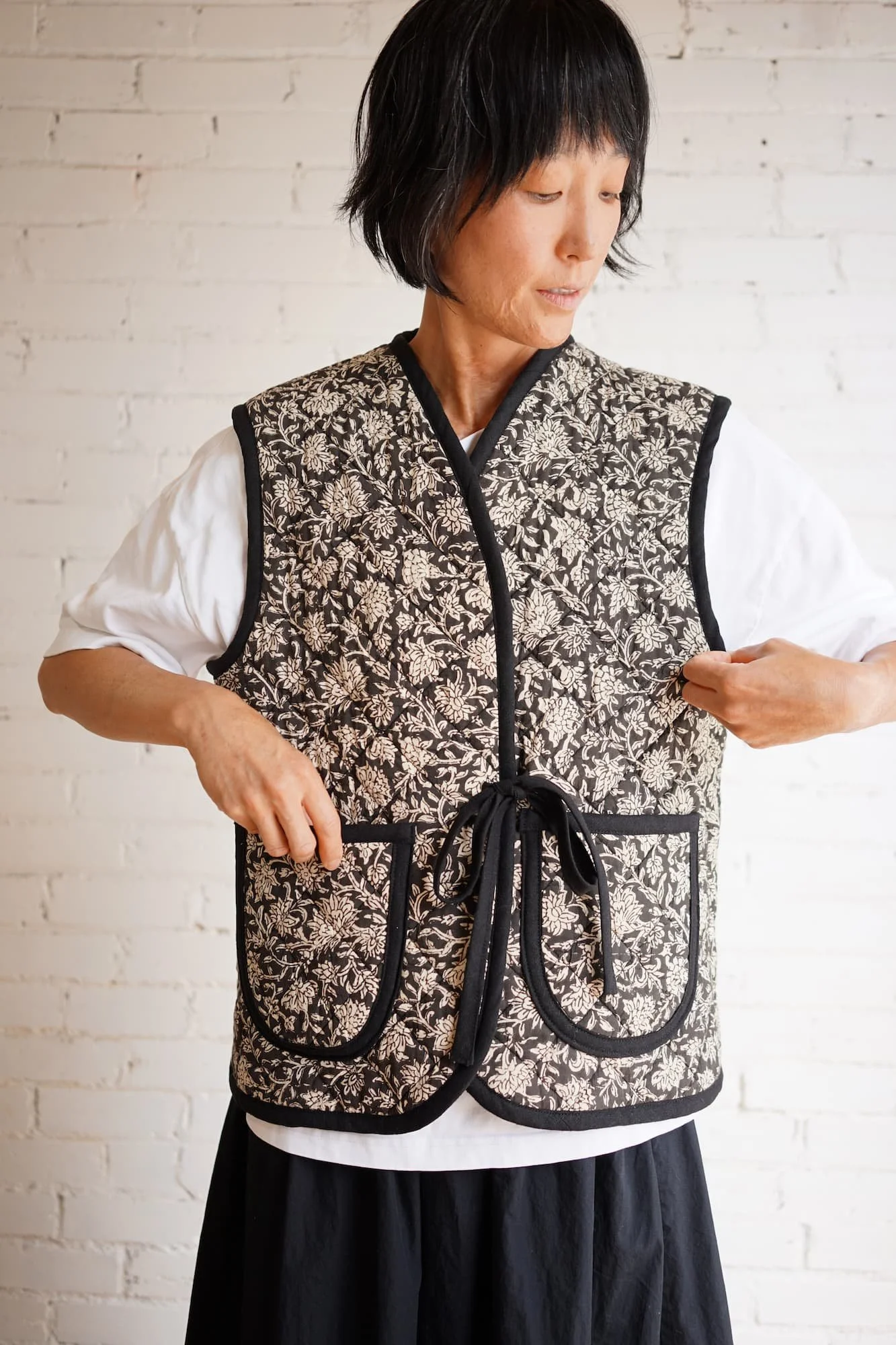
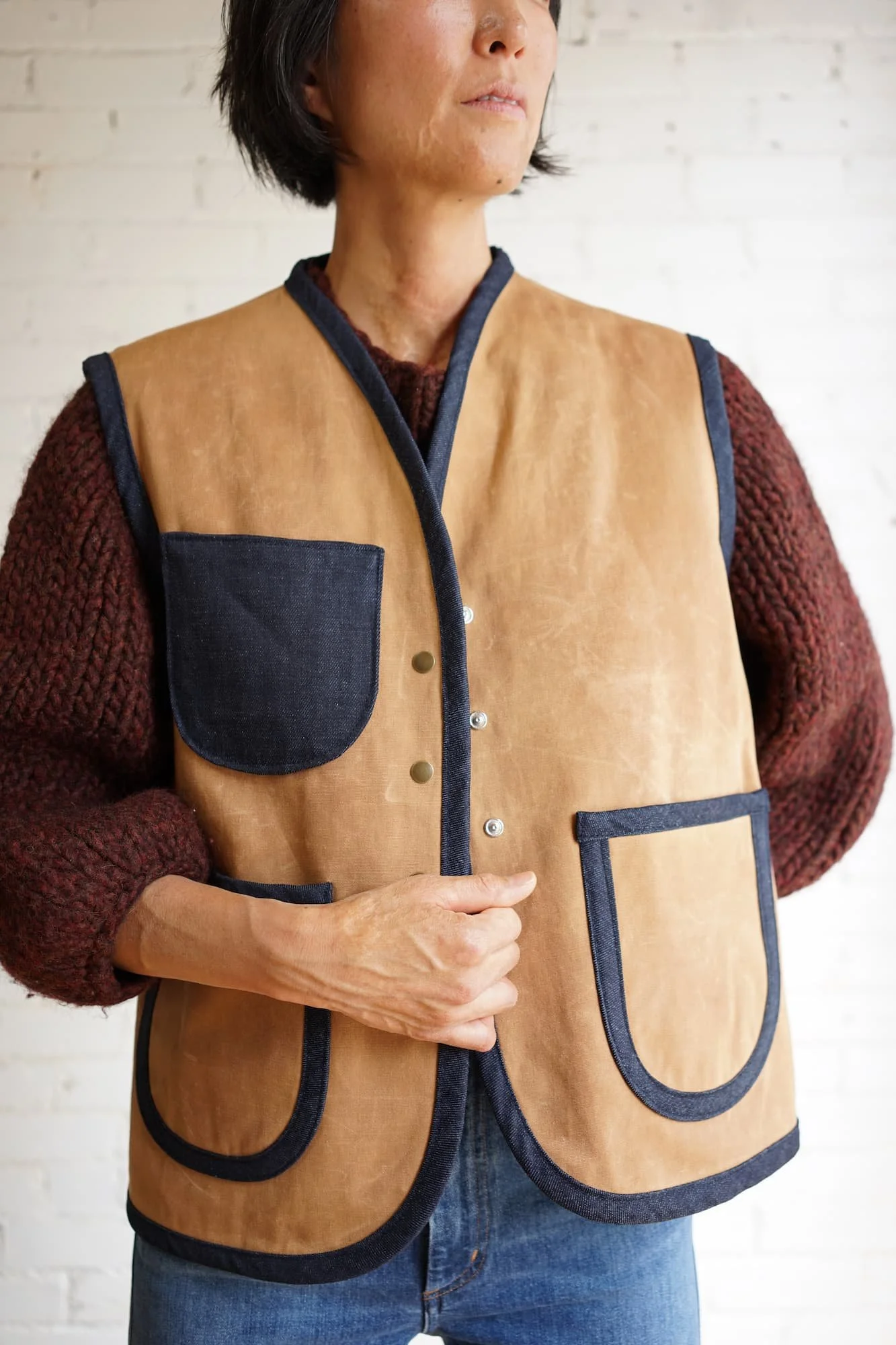
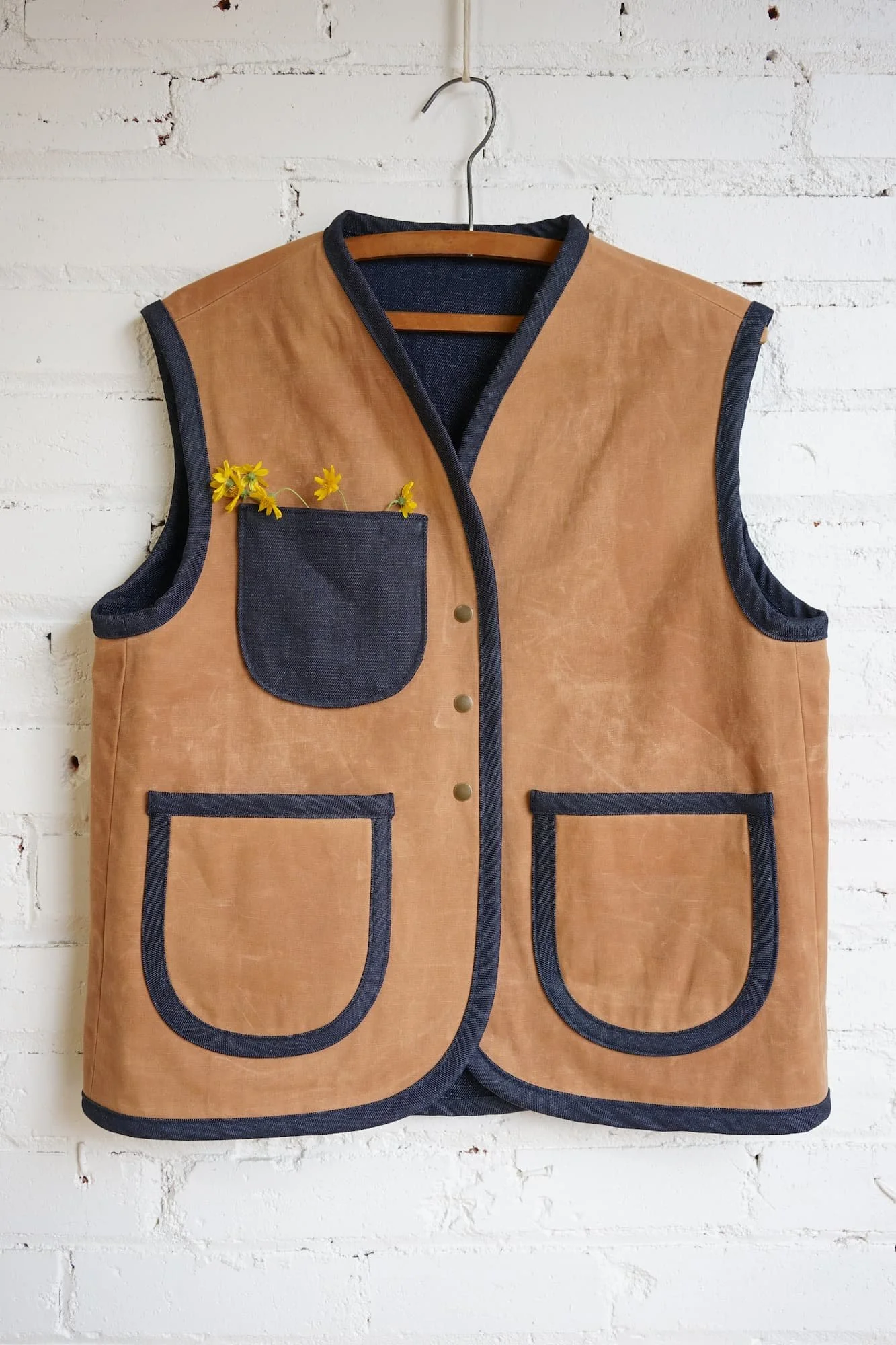
First samples in denim and quilted block-print cotton.
My big learning experience was having my pattern digitized, graded, and tiled for home printing by a professional. Writing sewing instructions with illustrations was also new to me. I spent the first part of this year feeling like a student again, getting comfortable with unfamiliar territory, learning through my mistakes, and using parts of my brain I hadn't used in a long time. I felt uncomfortable, inefficient, and unsure of myself as I worked through each stage. The process had a clear order, with each step leading to the next, but I kept going back to fix and improve earlier work, especially the instructions.
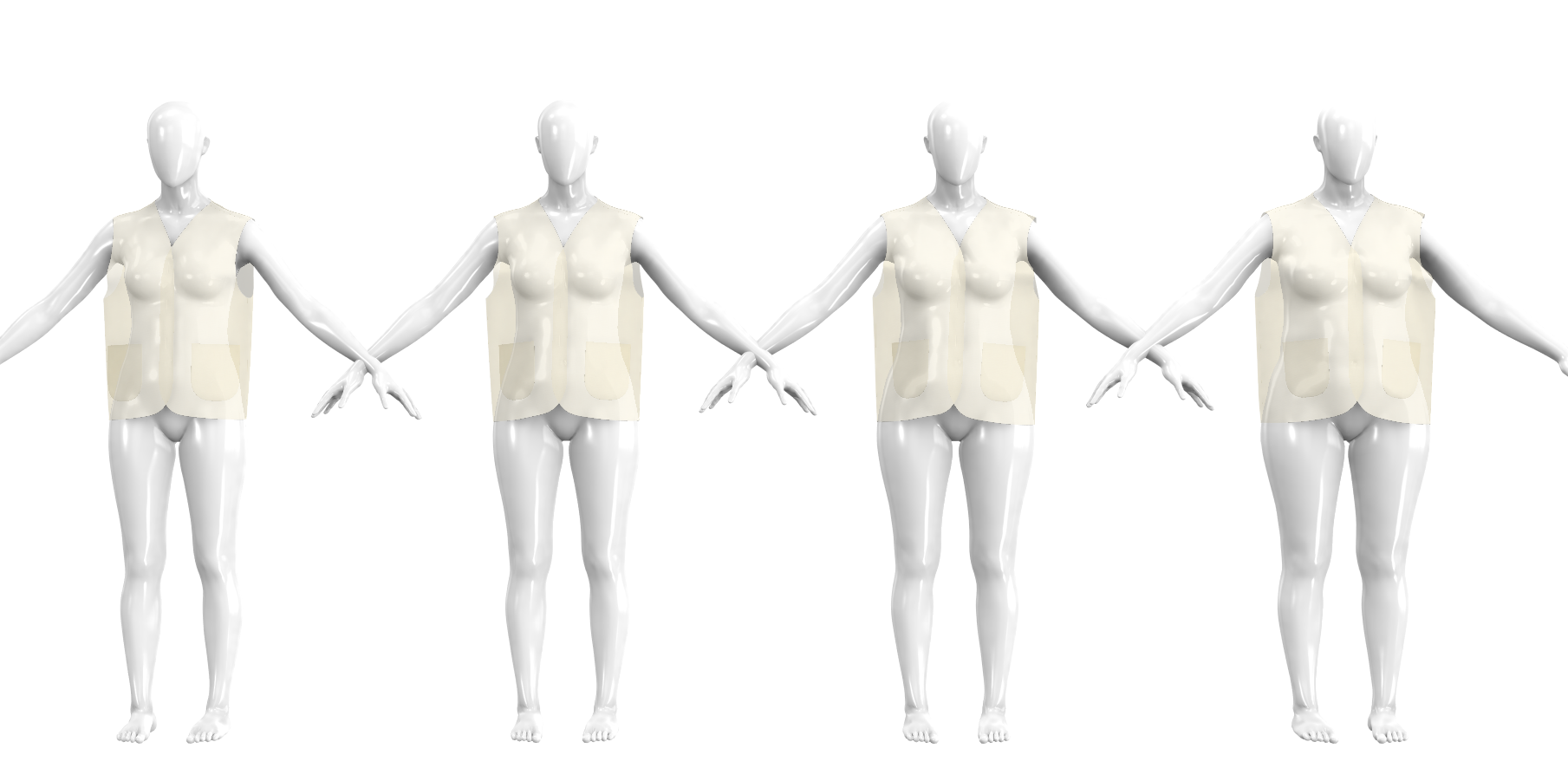
Virtual fitting of the Nomad Utility Vest across sizes 1–4. Each graded size was checked on a 3D avatar for fit and proportion.
Being a beginner again gave me a better sense of what new sewists go through. I wrote the instructions with that in mind, explaining each step the way I would have wanted it explained to me, with clear illustrations. It was humbling but also energizing. I hadn't learned something this new in years.
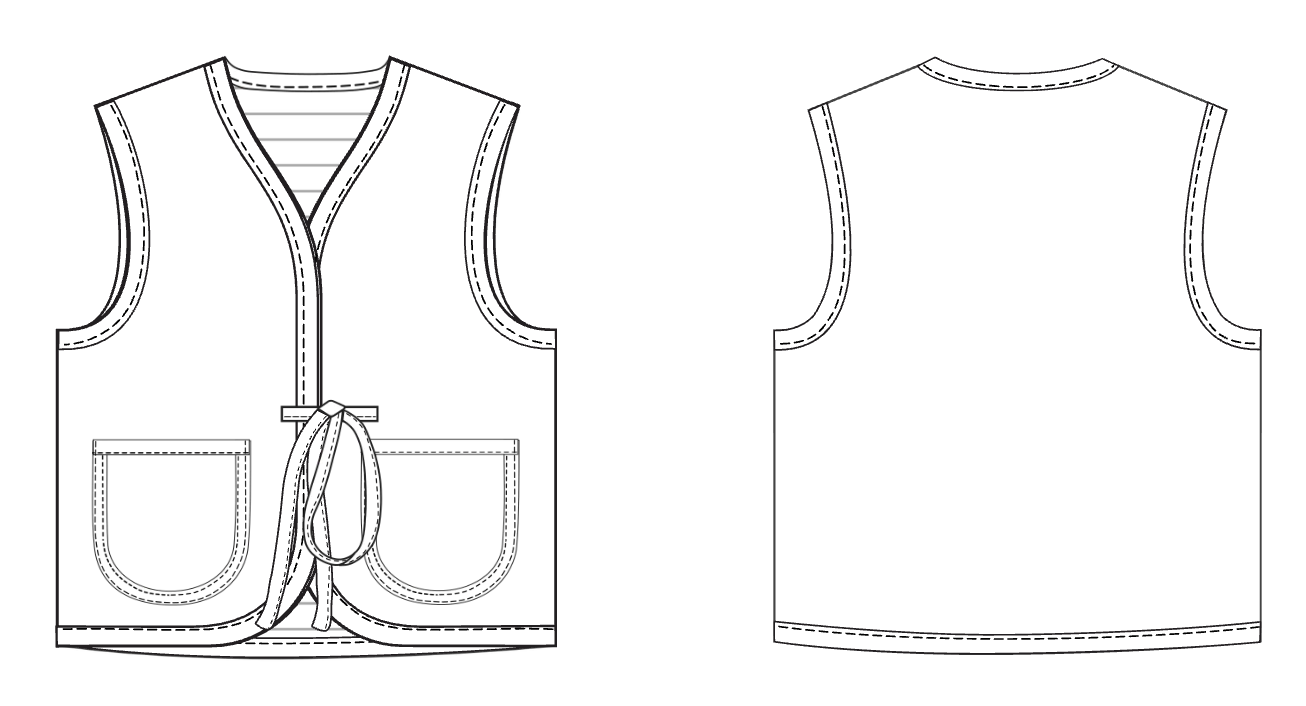
Front and back technical illustrations of the Nomad Utility Vest.
The Nomad Utility Vest
The vibe I wanted was somewhere between grannycore and modern streetwear: part gimjang jokki (김장 조끼), the quilted vest Korean women traditionally wore while making kimchi for winter, and part oversized puffer vest. Two contradictory styles that work together, both in how they look and how they wear.
It's a roomy, relaxed-fit vest with low armholes, a tie closure, and a hem that scoops slightly lower in the back. Make it lined or unlined, and finish it with snaps, toggles, or no closure at all.
Sizes 1–4 (XS–XXL)
Beginner–Intermediate
A 1:22 look at the Nomad Utility Vest from first sketch to finished garment, including fittings and revisions.
If sewing isn't your thing and you'd still like a vest of your own, a few are available ready to wear: one-of-a-kind versions in waxed canvas and repurposed denim, and a limited run in quilted block-print cotton.